



◈
7th Contactology Symposium
– 20 YEARS OF OUR SOCIETY –
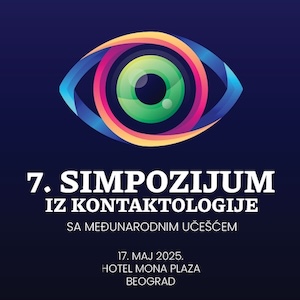
It is with great pleasure that we inform you that the 7th Contactology Symposium with International Participation will be held on May 17, 2025, at the Mona Plaza Hotel in Belgrade, marking the 20th anniversary of our Society!
As always, the organization and execution of the symposium aim to educate participants on the latest trends in contactology. Representatives from the European association, as well as our leading experts from Serbia, have already confirmed their participation.
This gathering will also be an opportunity for socializing and networking, with the conviction that it will contribute to the future of contactology in Serbia. We invite you to grace this significant jubilee with your presence.
See you in May in Belgrade!
◈
◈
Congress Report: Sixth Symposium of the Contact Lens Society of Serbian Ophthalmologists
On May 8, 2024, the Sixth Symposium of the Contact Lens Society of Serbian Ophthalmologists was held under the title "New Trends in Ophthalmology".
Lecturers, our fellow ophthalmologists, Prim. Dr. Sci. Med. Danijela Ranđelović, Dr. Nikola Jagodić, and Dr. Katarina Misailović shared their clinical experiences. Dr. Katarina Janković Terzić introduced colleagues to key topics from the European Contact Lens Society (ECLSO) Congress held in April 2024 in Istanbul. We were especially honored by Professor Omur Ucakhan – Gunduz from Turkey, Secretary of the European Contact Lens Society, who graced us with her presentation.
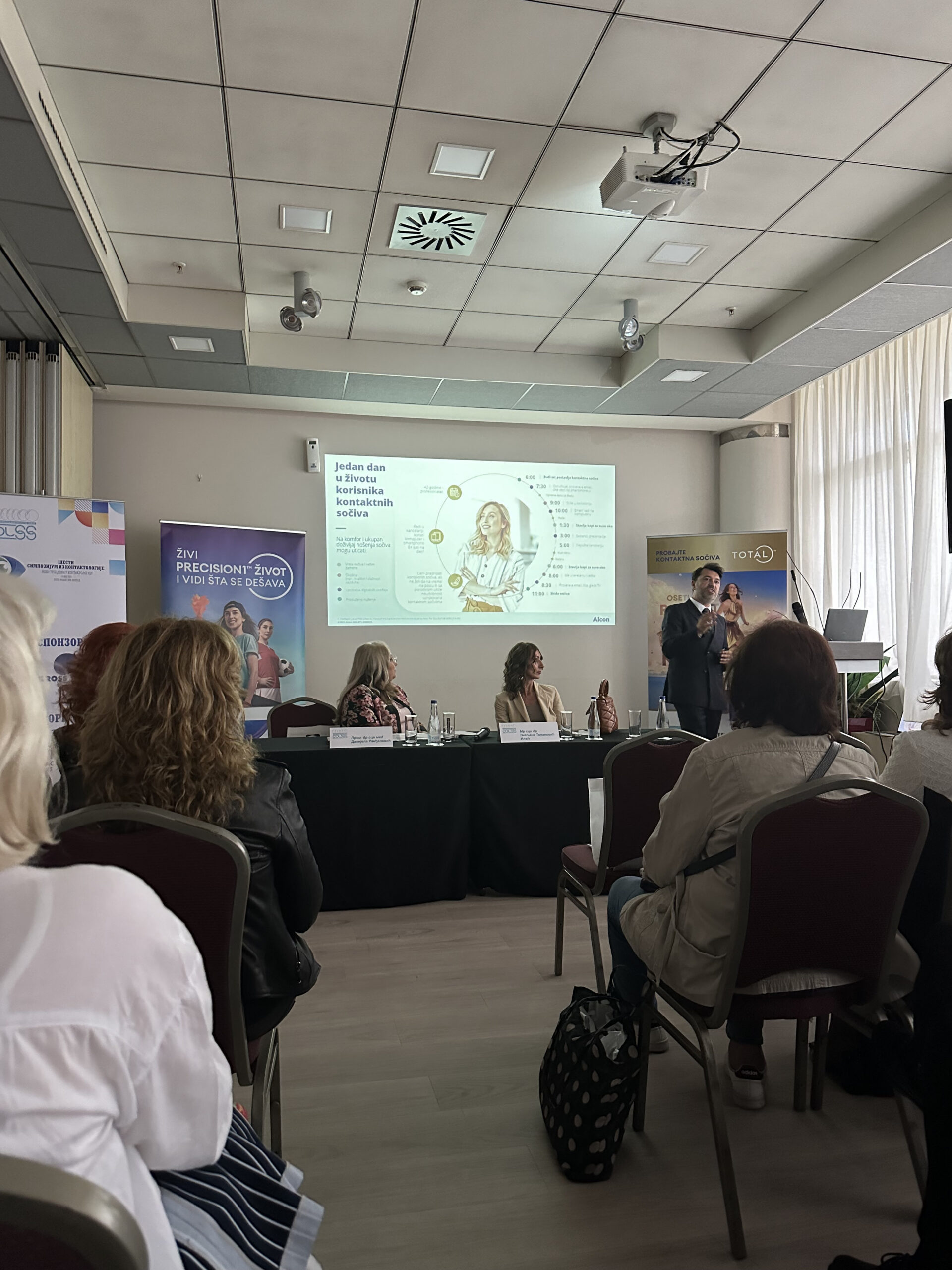
In a pleasant and friendly atmosphere, we exchanged new insights with distributors and sponsors – Opticus, Grossoptic, Oktal Pharma, Ortolens, and Optix – who supported the gathering and introduced us to new technologies in contact lens production and artificial tears.
Looking forward to the new jubilee symposium!
Prepared by: Dr. Danijela Ranđelović
◈
Congress Report: European Dry Eye Society (EuDES) 2024
This relatively new European association held its 2nd congress this year in June (June 20–22, 2024) in Madrid, Spain. Unlike the first congress held in 2022 in Munich, which had about 350 members, attendance almost doubled this year (approximately 600 participants). This high turnout was achieved through collaboration with associations from Latin America and Asia, which held their own special sessions.
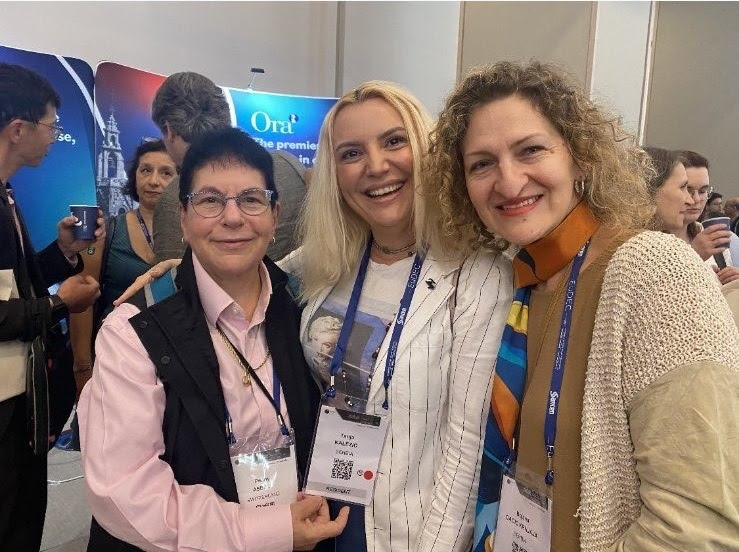
The keynote lecture was delivered by Carlos Belmonte, titled: "Ocular sensory nerves in health and disease: from the lab to the clinic". This theme prevailed in many other presentations as well, with special focus on all aspects and sub-types of dry eye – from those associated with autoimmune diseases to the most common forms related to Meibomian Gland Dysfunction (MGD).
Old and new therapeutic approaches were discussed, as well as the differentiation between primary dry eye and forms associated with other ocular surface problems. Inflammation and parainflammation, as new concepts, were considered in detail, while lectures on inflammatory markers in serum and tears (proteomics) attracted particular attention.
In addition to the high attendance at the lectures, it was evident during breaks that the topic of dry eye continues to interest the professional public and that mysteries still remain to occupy researchers around the world.
Prepared by: Dr. Bojana Dačić-Krnjaja
◈
Congress Report: 50th Congress of the European Contact Lens Society of Ophthalmologists (ECLSO)
On April 26 and 27, 2024, the 50th jubilee ECLSO Congress was held in Istanbul, attended by approximately 200 participants. An international team of experts, composed of renowned lecturers, presented the latest findings in the fields of contact lenses, ocular surface health, and myopia.
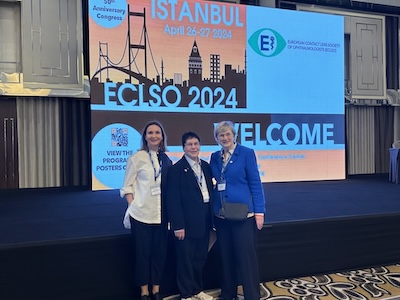
Special attention was given to topics such as myopia control (atropine drops, DIMS spectacles, and contact lenses), presented by Professor Chris Hammond, as well as presbyopia, scleral lenses, and keratoconus. A significant part of the program was dedicated to technological innovations such as profilometry and the Myopia Master.
Within the Turkish Ophthalmological Association symposium, the importance of hygiene, compliance, and solutions in infection prevention was discussed. Notable invited lectures included presentations by Dr. Penny A. Asbell on therapeutic contact lenses, Dr. Jose Benitez del Castillo on the impact of nutrition on the ocular surface, and Dr. Rene Mely, who spoke about the history of ECLSO.
The congress was exceptionally successful and inspiring, providing an opportunity for dynamic discussions and the exchange of experiences among participants from around the world.
Prepared by: Dr. Katarina Janković Terzić
◈
Oxygen Permeability and EOP in Contact Lenses
Oxygen permeability (Dk) is the term used to describe the ability of contact lens materials to allow oxygen to pass through. It represents the flow of oxygen under specific conditions through a material of a certain thickness.
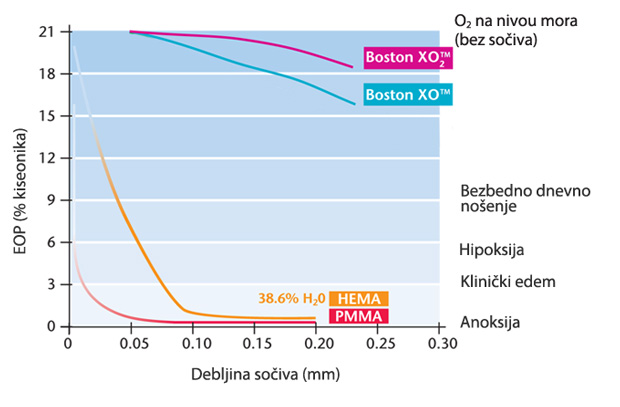
Oxygen permeability is a crucial factor for corneal health. Since the cornea is an avascular tissue, it relies on the supply of atmospheric oxygen to maintain normal metabolic function. A lack of oxygen can lead to corneal edema and compromise the eye's natural defense mechanisms.
Another significant clinical indicator is EOP (Equivalent Oxygen Percentage). It represents the amount of oxygen that passes through the lens and reaches the cornea, taking into account both the material and the design of the lens. The percentage of oxygen in the atmosphere is 21%, and the EOP values for different lenses are presented in the chart.
Prepared by: Aleksandar Nikolić
Ortolens, Leskovac
◈
Good Old Povidone-Iodine
It is highly unlikely that there is a single contact lens wearer in the world who has not done something risky regarding hygiene at least once in their life, while more than 80% of wearers routinely violate maintenance rules, exposing themselves to a serious risk of corneal infection (Cope et al, 2017).
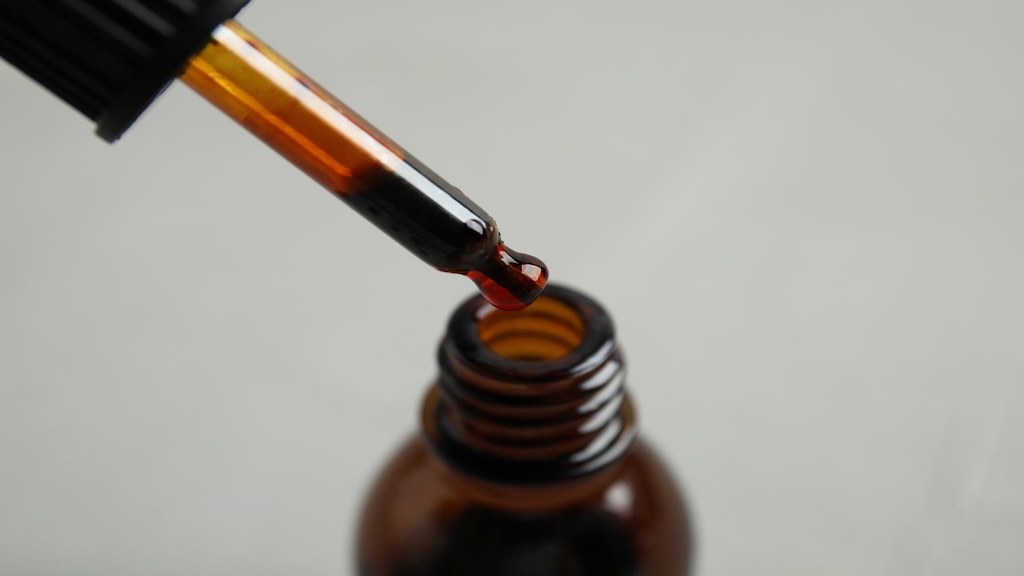
The well-known disinfectant povidone-iodine (PVP-I) has proven to be safe and effective in ophthalmic surgery. It can significantly weaken the intensity of certain types of adenoviral conjunctivitis (Itokawa et al, 2024). Furthermore, both povidone-iodine and hydrogen peroxide are primary disinfectants in preservative-free medical solutions.
A povidone-iodine-based contact lens disinfection system developed in Japan has shown exceptional antimicrobial and antiviral properties, with greater efficacy compared to multi-purpose solutions (MPS), even against the coronavirus. A vitamin C tablet is used for the final neutralization of povidone-iodine.
Prepared by: Dr. Nikola Jagodić
◈
Innovations in Eyelid Hygiene: BlephEx Treatment
We are excited to present BlephEx, the latest treatment focusing on the health of your eyelids and eyes. This innovative procedure is specifically designed for cleaning and maintaining the soft tissues around the eyes, providing a refreshed look and relief from numerous discomforts.
What is BlephEx?
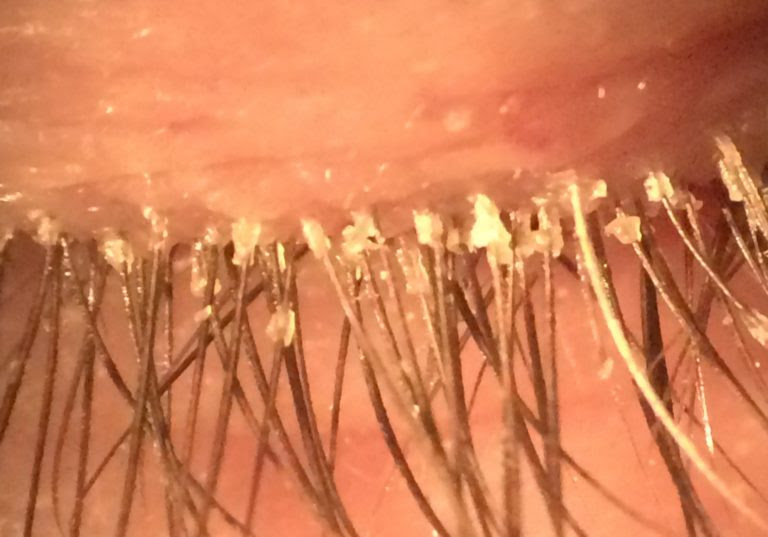
BlephEx is a procedure performed using a specialized device that utilizes a rotating medical-grade micro-sponge to precisely remove debris, biofilm, and bacteria from the eyelid margins. This treatment directly reduces symptoms such as dryness, itching, and irritation.
Treatment Possibilities and Benefits:
- Deep Cleaning: Effectively removes oils and scurf that accumulate over the years.
- Improved Comfort: Patients often report relief immediately after the treatment.
- Prevention: Helps in preventing chronic blepharitis and Meibomian Gland Dysfunction (MGD).
The treatment is quick, painless, and lasts about 15–20 minutes. Most patients notice a significant improvement after the very first session. Your eye health is a priority, and BlephEx is a step forward toward better comfort.
Prepared by: Dr. Žarko Milutinović
LENS Clinic, Novi Sad
◈
Water Surface Lenses: A New Era in Comfort
A large number of contact lens users experience discomfort or insufficient comfort while wearing them, and statistics show that nearly 25% of patients stop wearing lenses precisely because of this problem. How can this be overcome in daily practice?
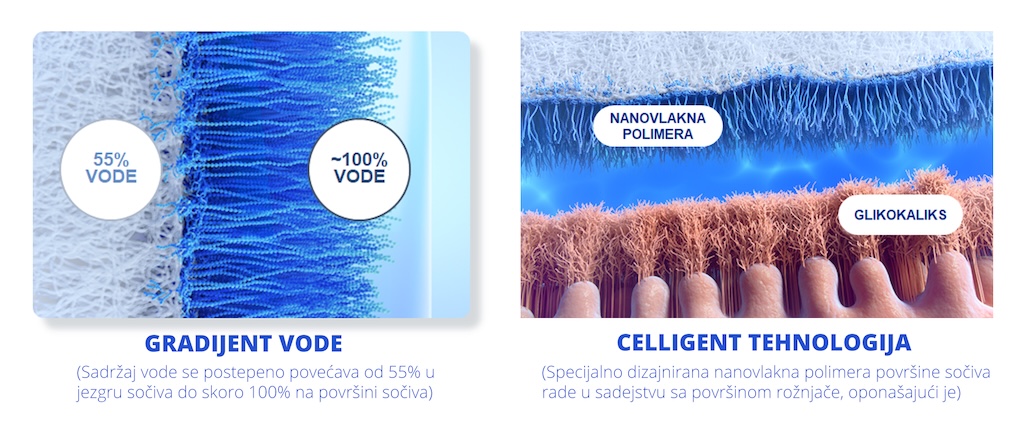
Monthly lens material with a water gradient means that the water content gradually increases from 55% in the core to nearly 100% at the very surface. The result is such that the eye does not touch the silicone-hydrogel material, but exclusively a pleasant moist coating.
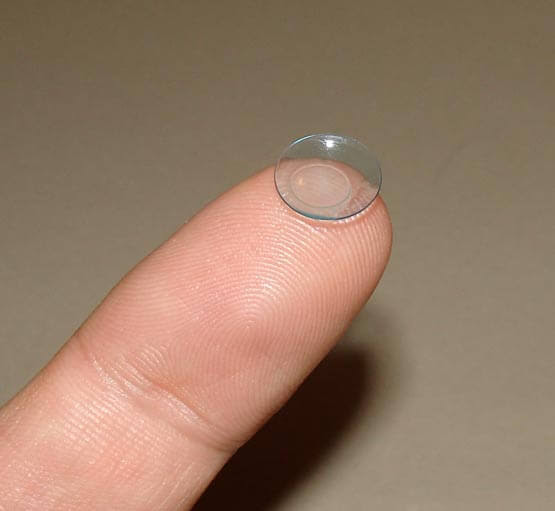
It is clinically proven that these lenses are not felt on the eye at all, even after 30 days of wear. They utilize biomimetic technology that mimics the surface of the eye. Polymer nanofibers create a neutral charge, which attracts water molecules while simultaneously creating a barrier for lipids and bacteria.
Thanks to the constant movement of the nanofibers, bacteria and lipids do not remain on the lens surface but are carried away into the tear film, keeping the lens clean and clear throughout the day.
COLSS Professional Team
◈
Contact Lenses for Astigmatism and Presbyopia
Through years of support for the development and work of the Contact Lens Society of Serbian Ophthalmologists, we share information from the field of contactology to our mutual satisfaction. In May, we jointly relaunched the activities of the existing society and gathered for the lecture: "Now’s the time to Go Beyond with Bausch + Lomb".
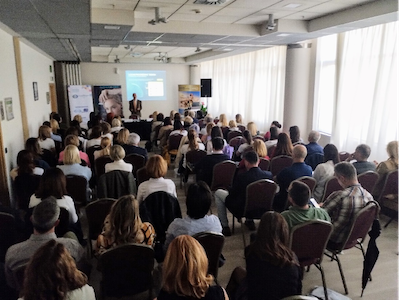
We continue in that same spirit. The Society has been refreshed with new members and younger participants, and we are here with the latest products in the field of contactology.
Our collaboration continues in November with training for fitting the first contact lens on the market designed for generations who, in addition to astigmatism, now also require presbyopia correction. This is the solution for our generations who demand uncompromising vision at all distances.
You can find all additional information on the Grossoptic website or by contacting us directly.

GROSSOPTIC
Crystal clear
◈
News from Johnson&Johnson Vision
Did you know that more than 2 billion people worldwide have vision impairment, and that number is expected to double by 2030? In a world where the need for precise correction is growing, Johnson&Johnson Vision offers the same standard of quality to customers on all continents.
The company produces more than 4 billion contact lenses annually at its two strategic facilities in Ireland and Florida. This means that every lens that reaches a patient, regardless of the market, has passed through the same rigorous controls at these two centers of excellence.
The biggest innovation coming from J&J Vision is contact lenses for myopia control. The importance of this innovation is illustrated by data from a recent study in Singapore, which found that as many as 75% of children in that country are diagnosed with myopia before reaching the age of nine.
Dr. Ivana Stanišić
OKTAL PHARMA
◈
News from Hemofarm
Did you know that more than 2 billion people worldwide have vision impairment, and that number is expected to double by 2030?
As part of our commitment to preserving vision health, we highlight a company that offers identical product quality to customers worldwide – Johnson&Johnson Vision. As a global leader, this company produces more than 4 billion contact lenses annually.

An interesting fact is that all lenses are manufactured in only two high-tech facilities – in Ireland and Florida. This guarantees that every lens sold in any market, including ours, is produced under the same, strictest quality standards in one of these two production centers.
HEMOFARM AD